
When the Passion Feels Heavy: Navigating Holy Week with Religious Trauma
For many, this week is marked by “Hosannas” and the anticipation of Easter Sunday. But for those of us carrying the weight of religious trauma, the air feels different. It feels thick.
While others see a story of redemption, you might see graphic imagery that triggers a nervous system response. While others feel a sense of homecoming, you might feel the suffocating pressure to “return to the fold.”
If your heart feels heavy instead of pious, you are not alone, and you are not “failing” at spirituality.
1. Validating the “Heavy” Feelings
Religion often demands a specific emotional performance: “Joy” on Easter, “Sorrow” on Good Friday. When you have a complicated relationship with the Church, being told how to feel can feel like an invasion.
- It is okay to feel numb. Trauma often shuts down our emotional centers to protect us.
- It is okay to feel angry. If the symbols of this week were used to control or shame you in the past, anger is a natural boundary.
- It is okay to opt-out. Your worth is not tied to your attendance at a Maundy Thursday service or the depth of your public “repentance.”
Reminder: You don’t owe the season a performance of piety. Your internal peace is more sacred than any tradition.
2. Setting Boundaries: The Easter Lunch Survival Guide
Family gatherings during Holy Week can be a minefield of intrusive questions. “We missed you at the Vigil,” or “When are you coming back to Mass?” can feel like spiritual interrogation.
To protect your peace at the dinner table, try these low-conflict scripts:
| The Question | The Boundary Response |
| “Why weren’t you at service?” | “I’m observing the holiday in a way that feels most meaningful/restful for me this year.” |
| “You need to come back to the church.” | “I know you’re saying that because you care, but I’m not open to discussing my church attendance today.” |
| “Don’t you miss the tradition?” | “There are parts I remember fondly, but right now I’m focused on building new rhythms.” |
Pro-tip: Have an “exit strategy.” If the conversation becomes too triggering, it is perfectly fine to step outside for “fresh air” or offer to help with the dishes to change the scenery.
3. Redefining Ritual: Low-Pressure Reflection
If you still feel a pull toward the themes of reflection or renewal but find the 3-hour services overstimulating, consider micro-rituals. These allow you to honor the season without triggering a “fight or flight” response.
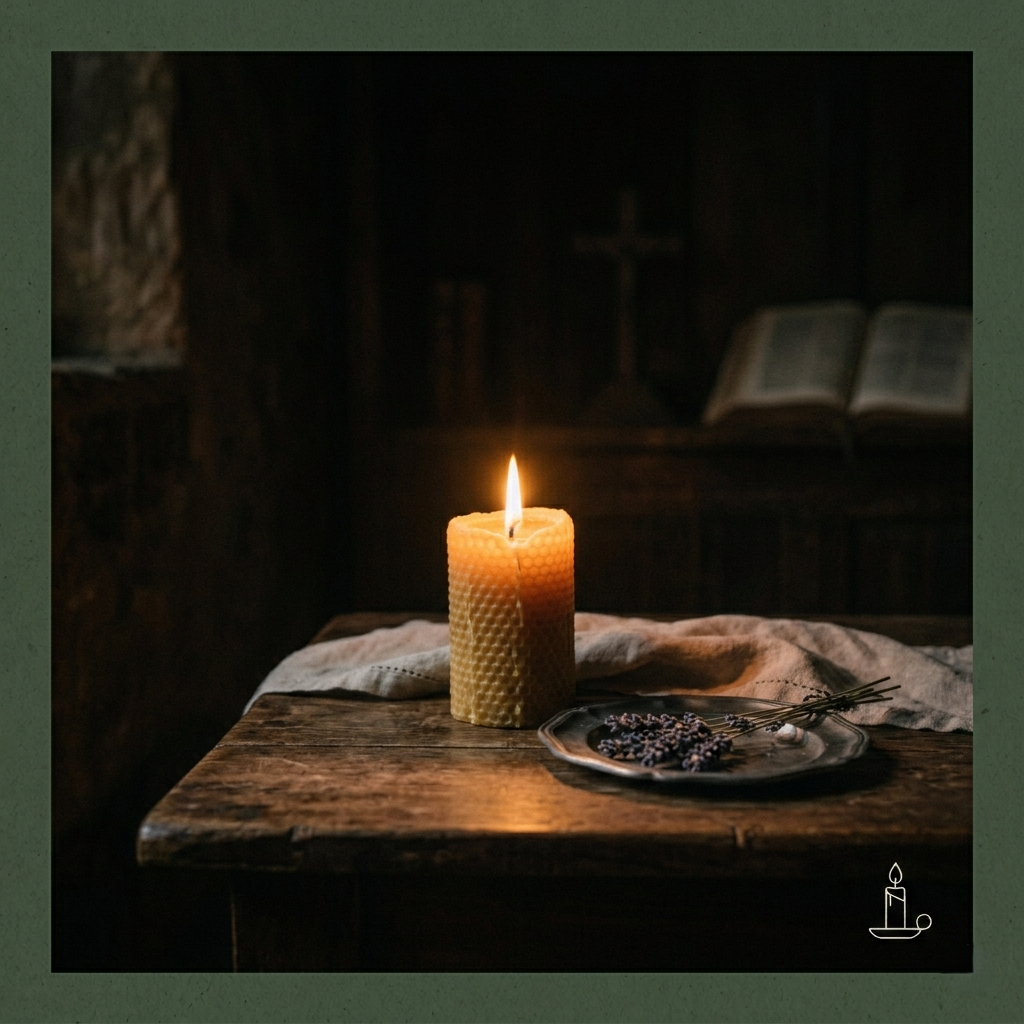
- The Single Candle: Instead of a cathedral full of incense and chanting, light one candle at home. Sit in the silence for five minutes. When you blow it out, let that be the end of your “service.”
- Nature as Sanctuary: If pews feel restrictive, take a walk. Observe the literal “resurrection” of spring in the trees and soil. Nature asks nothing of you.
- Curated Consumption: If the graphic imagery of the Passion is too much, skip the traditional films or readings. Focus on themes of rest or quiet instead.
Final Thoughts
Holy Week is often framed as a journey from darkness to light. If you find yourself stuck in the “darkness” part, or if the “light” feels too blinding right now, permit yourself to just be.
Healing from religious trauma isn’t a linear path, and it certainly doesn’t follow a liturgical calendar. This week, let your highest priority be your own safety and mental well-being. That, in itself, is a form of resurrection.
Leave a Reply