
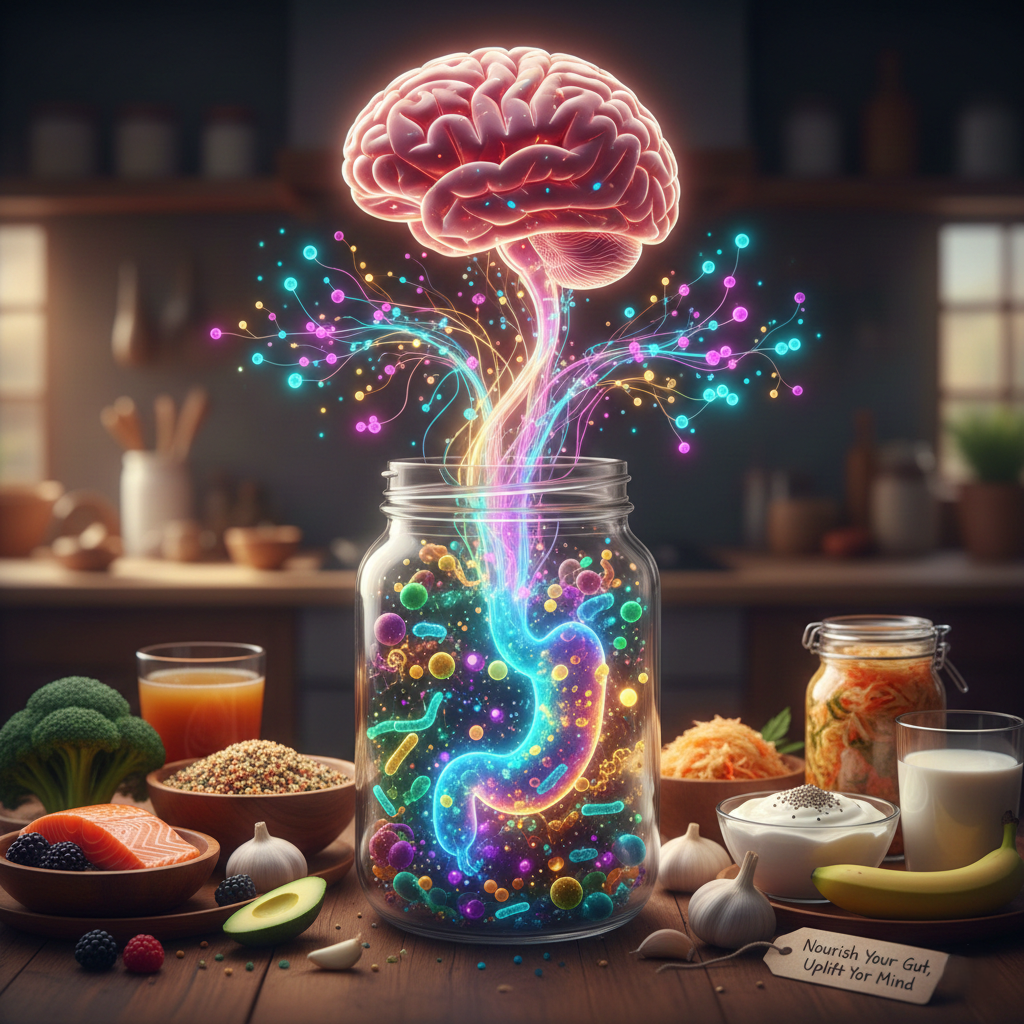
The Gut-Brain Connection: Simple Dietary Changes That Can Impact Your Daily Mood
Ever feel a direct link between what you eat and how you feel? It’s not just in your head, it’s often in your gut! The fascinating and increasingly understood “gut-brain connection” reveals that your digestive system and your brain are constantly communicating, influencing everything from your mood and energy levels to your ability to handle stress.
Think of your gut as your “second brain,” teeming with trillions of microorganisms collectively known as the gut microbiome. This bustling community plays a crucial role in producing neurotransmitters (chemical messengers like serotonin and dopamine that regulate mood), absorbing nutrients, and even modulating inflammation throughout your body. When this delicate ecosystem is out of balance, it can send distress signals to your brain, potentially contributing to feelings of anxiety, sadness, and fatigue.
The good news? You have a lot of power to positively influence this connection through simple dietary changes. Let’s explore some easy ways to nourish your gut and elevate your mood.
1. Embrace Fermented Foods: Your Gut’s Best Friends
Fermented foods are powerhouses of probiotics, beneficial bacteria that help replenish and diversify your gut microbiome. Try incorporating these into your daily routine:
- Yogurt and Kefir: Opt for plain, unsweetened varieties with live active cultures.
- Sauerkraut and Kimchi: These fermented vegetables are delicious additions to meals.
- Kombucha: A fizzy, fermented tea that can be a refreshing alternative to sugary drinks.
Actionable Tip: Start with a small serving daily and gradually increase.
2. Prioritize Fiber: Feed Your Gut Bugs
Fiber isn’t just for regularity; it’s the primary food source for your beneficial gut bacteria. When they feast on fiber, they produce short-chain fatty acids (SCFAs) that have anti-inflammatory effects and can positively impact brain function.
Load up on fiber-rich foods like:
- Fruits: Berries, apples, bananas, pears.
- Vegetables: Broccoli, spinach, carrots, sweet potatoes.
- Legumes: Lentils, beans, chickpeas.
- Whole Grains: Oats, quinoa, brown rice.
Actionable Tip: Aim for a variety of colorful fruits and vegetables throughout your day.
3. Choose Omega-3 Fatty Acids: Brain and Gut Superstars
Omega-3s are renowned for their anti-inflammatory properties, which are beneficial for both your brain and your gut. Inflammation in the gut can disrupt the gut lining and affect neurotransmitter production.
Incorporate sources like:
- Fatty Fish: Salmon, mackerel, sardines (aim for 2-3 servings per week).
- Chia Seeds and Flaxseeds: Great additions to smoothies, yogurt, or oatmeal.
- Walnuts: A perfect snack.
Actionable Tip: Consider a high-quality omega-3 supplement if your dietary intake is low (always consult a healthcare professional first).
4. Limit Processed Foods and Sugar: The Gut’s Arch-Nemesis
Highly processed foods, refined sugars, and artificial sweeteners can wreak havoc on your gut microbiome. They tend to feed harmful bacteria, contribute to inflammation, and can create an imbalanced gut environment, potentially leading to mood disturbances.
Actionable Tip: Gradually reduce your intake of sugary drinks, fast food, and packaged snacks. Focus on whole, unprocessed ingredients whenever possible.
5. Stay Hydrated: Keep Things Flowing
Water is essential for every bodily function, including digestion and nutrient absorption. Adequate hydration helps maintain the integrity of your gut lining and supports the overall health of your digestive system.
Actionable Tip: Carry a reusable water bottle and sip throughout the day. Herbal teas can also contribute to your fluid intake.
6. Consider Prebiotic Foods: Fertilize Your Gut Garden
While probiotics introduce beneficial bacteria, prebiotics are non-digestible fibers that act as fertilizer for the good bacteria already present in your gut.
Excellent prebiotic sources include:
- Garlic and Onions: Flavorful additions to many dishes.
- Asparagus: A delicious spring vegetable.
- Bananas (slightly green): Higher in resistant starch, a type of prebiotic.
- Oats: Another reason to love your morning oatmeal!
Actionable Tip: Experiment with adding these to your cooking.
The Takeaway
Your gut and brain are intimately connected, and nurturing your gut health is a powerful way to support your mental well-being. By making simple, consistent dietary choices, focusing on whole, unprocessed foods, fermented delights, and plenty of fiber, you can cultivate a thriving gut microbiome that sends positive signals to your brain, helping you feel more balanced, energetic, and uplifted every day.
What small change will you make this week to support your gut-brain connection?
Leave a Reply