
Finding the Line: When Worry Becomes Anxiety
We all know the feeling of a “flutter” in the stomach before a big presentation or the restless night spent rehearsing a difficult conversation. In small doses, stress is a survival mechanism. But when those flutters become a constant roar, it’s important to distinguish between everyday stress and a clinical anxiety disorder.
Dismissing these symptoms as “just having a rough week” is common, but ignoring the signs often allows them to take deeper root. Here is how to identify the shift and why professional support is a vital step in reclaiming your peace.
1. Is it Stress or Anxiety?
The primary difference lies in the source and the duration.
- Stress is typically a response to an external trigger (a deadline, a conflict, a bill). Once the situation is resolved, the feeling usually dissipates.
- Anxiety is internal and persistent. It often lingers even when the “threat” is gone. It is characterized by excessive worry that is difficult to control and disproportionate to the actual event.
2. Identifying the Red Flags
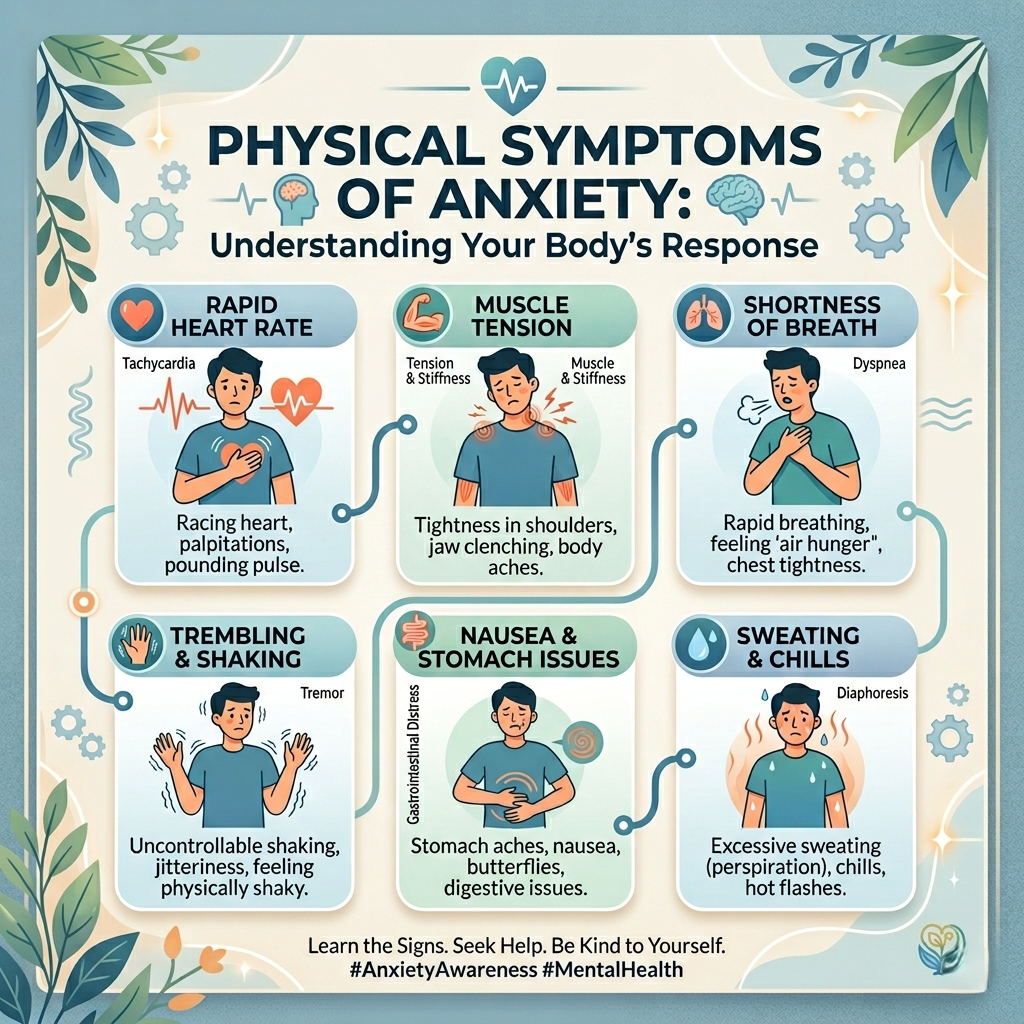
Anxiety isn’t just “in your head”; it manifests physically and behaviorally. Look for these indicators:
- Physical Symptoms: Chronic fatigue, unexplained headaches, muscle tension (especially in the jaw or shoulders), and digestive issues.
- Cognitive Patterns: Catastrophizing (assuming the worst-case scenario), “racing” thoughts, or a constant sense of impending doom.
- Behavioral Changes: Avoiding social situations, procrastinating on tasks that feel overwhelming, or a sudden reliance on “safety behaviors” to get through the day.
3. The Danger of Dismissal
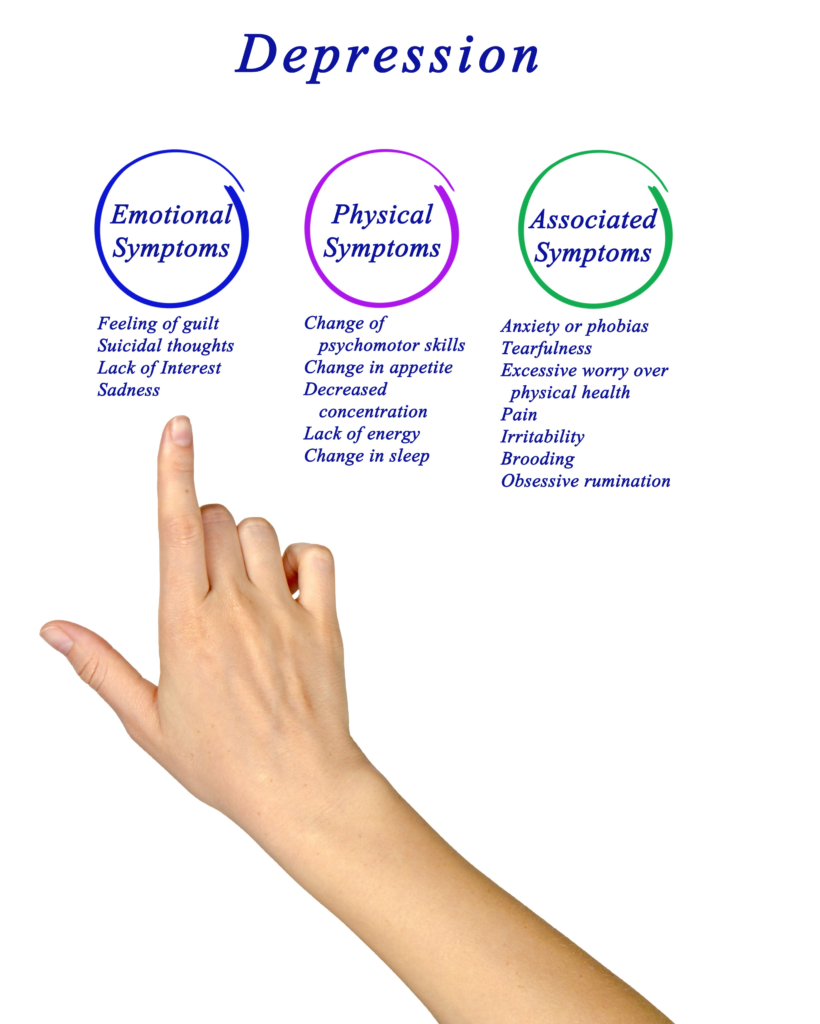
Society often praises “pushing through,” but dismissing anxiety as a character flaw or a temporary phase can lead to burnout and compounding health issues.
If you find yourself saying, “Others have it worse,” or “I should be able to handle this,” you are invalidating your own experience. Validation is the first step toward healing. Your struggle doesn’t have to be “extreme” to be worthy of attention.
4. When to Seek Professional Help
You don’t need to be in a state of crisis to speak with a professional. Consider reaching out to a therapist or counselor if:
- Functioning is impacted: Your work, relationships, or daily chores are suffering.
- Your “World” is shrinking: You are avoiding more and more activities to keep the anxiety at bay.
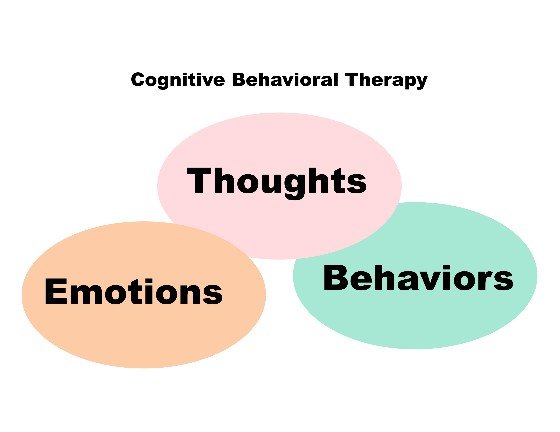
- Self-help isn’t enough: Deep breathing and lifestyle changes are helpful, but they aren’t a substitute for clinical tools like Cognitive Behavioral Therapy (CBT).
Taking the First Step
Reaching out for help isn’t a sign of weakness. It’s an act of clinical self-maintenance. Whether it’s talking to a primary care doctor or booking an initial consultation with a mental health professional, acknowledging the feeling is the bravest thing you can do today.
Leave a Reply